

How School Choice Impacts Public School Funding
What Happens to Public Schools When Students Leave?
One of my biggest concerns about school choice is how it affects public school funding. When students leave for private or charter schools, public school districts may lose enrollment-based funding. However, schools still have bills to pay, buildings to maintain, and students who need services.
Chin and Chen (2026) studied school choice expansion in Indiana and found that districts facing more competition experienced decreases in revenue and spending. Some schools also faced larger class sizes and closures. Even when communities tried to raise additional money through local taxes, it wasn't always enough to make up the difference.
This concerns me because public schools are already stretching their resources. As a teacher in a Title I school, I see how important funding is for intervention programs, special education, staffing, and classroom materials.
What About Alabama?
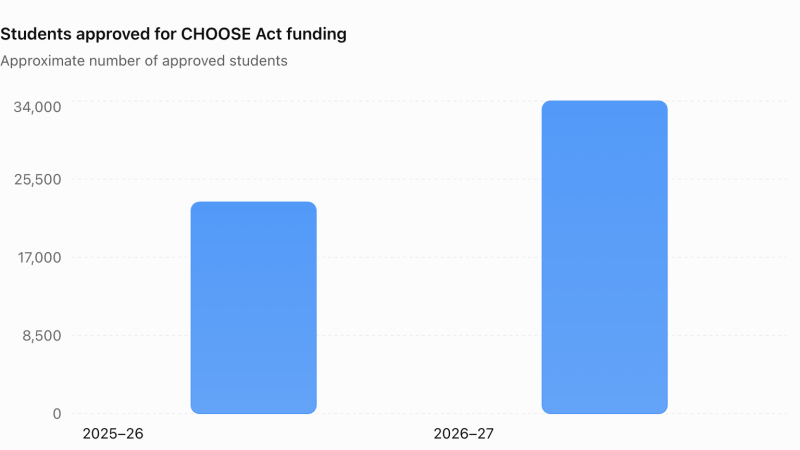
Alabama's CHOOSE Act allows eligible families to use education savings accounts for private school tuition, homeschooling, and other approved educational expenses. The program has grown quickly.
While families may benefit from having more options, I worry about how this will affect the state's public education funding over time. What happens to students whose families choose to stay in public schools?
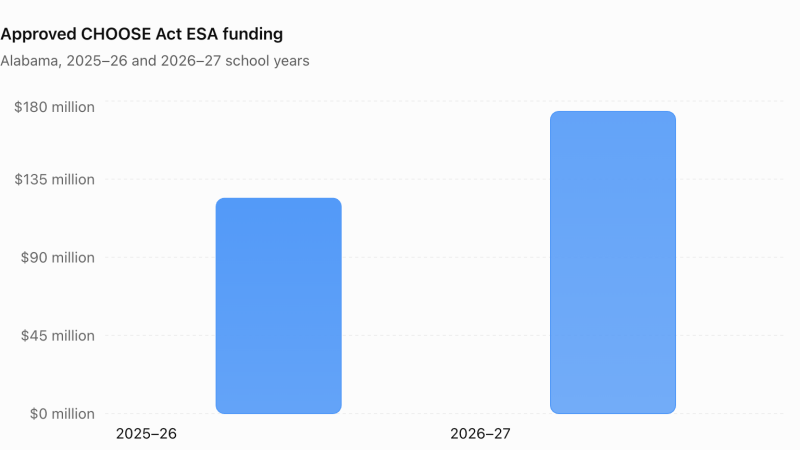
Alabama's approved CHOOSE Act education savings account funding increased from more than $124 million to more than $174 million in one year.
This doesn't mean that amount was directly removed from public school budgets. However, the Public Affairs Research Council of Alabama explains that CHOOSE Act funding draws from the same state tax resources available for public education.
Alabama's school choice program is expanding quickly, raising questions about its long-term impact on public education.